
Fence Staining & Sealing in Bellevue, Nashville
Bellevue's fences face the worst moisture conditions in the Nashville metro — constant shade from the mature tree canopy, proximity to the Harpeth River, and leaf debris that traps moisture against pickets. Alan Robinson uses airless spray with back-brush to apply TWP 100 series penetrating stain with both sides coated and every post cap sealed. Bellevue fences need restaining every 18-24 months under heavy canopy, compared to 2-3 years in sun-exposed areas. Heavy pressure washing is almost always the first step — ingrained algae and mildew must be completely removed before stain can penetrate the wood grain in Bellevue's humid environment.
15+ years • 137 verified reviews • 5x Nextdoor Favorite • Licensed & insured
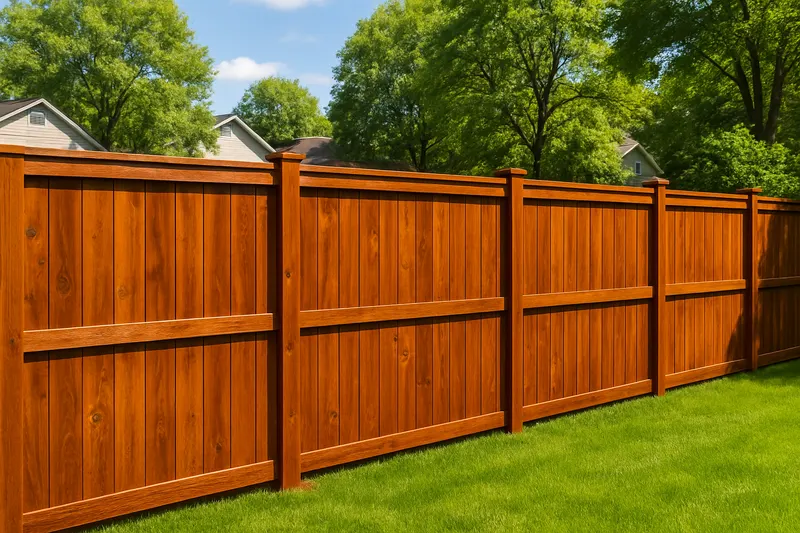
What Fence Staining & Sealing Includes in Bellevue
Bellevue fence staining starts with aggressive sodium percarbonate cleaning to remove the algae that Bellevue's shaded conditions guarantee. After adequate drying, TWP 100 series penetrating stain is applied with airless spray and immediate back-brush on both sides. Post caps sealed, rails soaked, ground-contact pickets treated. Neighbor coordination handled for back-side access.
Why Bellevue's Environment Matters for Your Project
Bellevue's 1980s-era neighborhoods have moderately strict HOAs with fence appearance guidelines. Newer areas like Stephens Valley have specific architectural standards. Older Bellevue neighborhoods near Percy Warner Park often have no restrictions. Bellevue's north-facing fence sections develop the heaviest algae — Alan identifies these during assessment and adjusts prep accordingly. Cedar fences in River Plantation and Harpeth Valley Park are the most common fence type in the area.
Fence Staining & Sealing Questions From Bellevue Homeowners
- How long does fence staining take?
- Most residential fences take 1-2 days depending on length and accessibility. Cleaning and prep happens first, then 24-48 hours of dry time before stain application. Alan schedules around weather to ensure proper drying conditions.
- What color options are available for fence stain?
- TWP 100 series offers a range of natural wood tones: Cedartone Natural, Dark Oak, Pecan, and several others. Semi-transparent stains show the wood grain while adding color and UV protection. Alan can test colors on a small section of your fence before full application.
- What time of year is best for fence staining in Nashville?
- Spring and fall are ideal — temperatures between 50-85 degrees with low humidity. Summer works too with morning application before peak heat. Alan avoids staining when rain is forecast within 48 hours or when temperatures drop below 50 degrees overnight.
More Painting Services in Bellevue
Interior Painting
Walls, ceilings, trim, and doors — finished with an artist's precision. We use premium Sherwin-Willi...
View Bellevue, Nashville details →Cabinet Painting
Transform dated cabinets with a factory-smooth finish using HVLP spray application and bonding prime...
View Bellevue, Nashville details →Deck Staining
Restore and protect your deck with professional cleaning, brightening, and penetrating stain applica...
View Bellevue, Nashville details →Bellevue's moisture-heavy environment means both decks and fences benefit from simultaneous staining.
View Deck Staining in Bellevue, Nashville →